
Pigmentation and sun damage consultations
Sun spots, uneven tone and patches of darker skin are common after years of Australian sun. Our doctor-led clinic has been treating sun-damaged skin since 2002, with medical-grade lasers including Fraxel Repair. It starts with a consultation to find out exactly what’s behind yours.
All procedures carry risks and results vary. Read about recovery and risks below.
About pigmentation
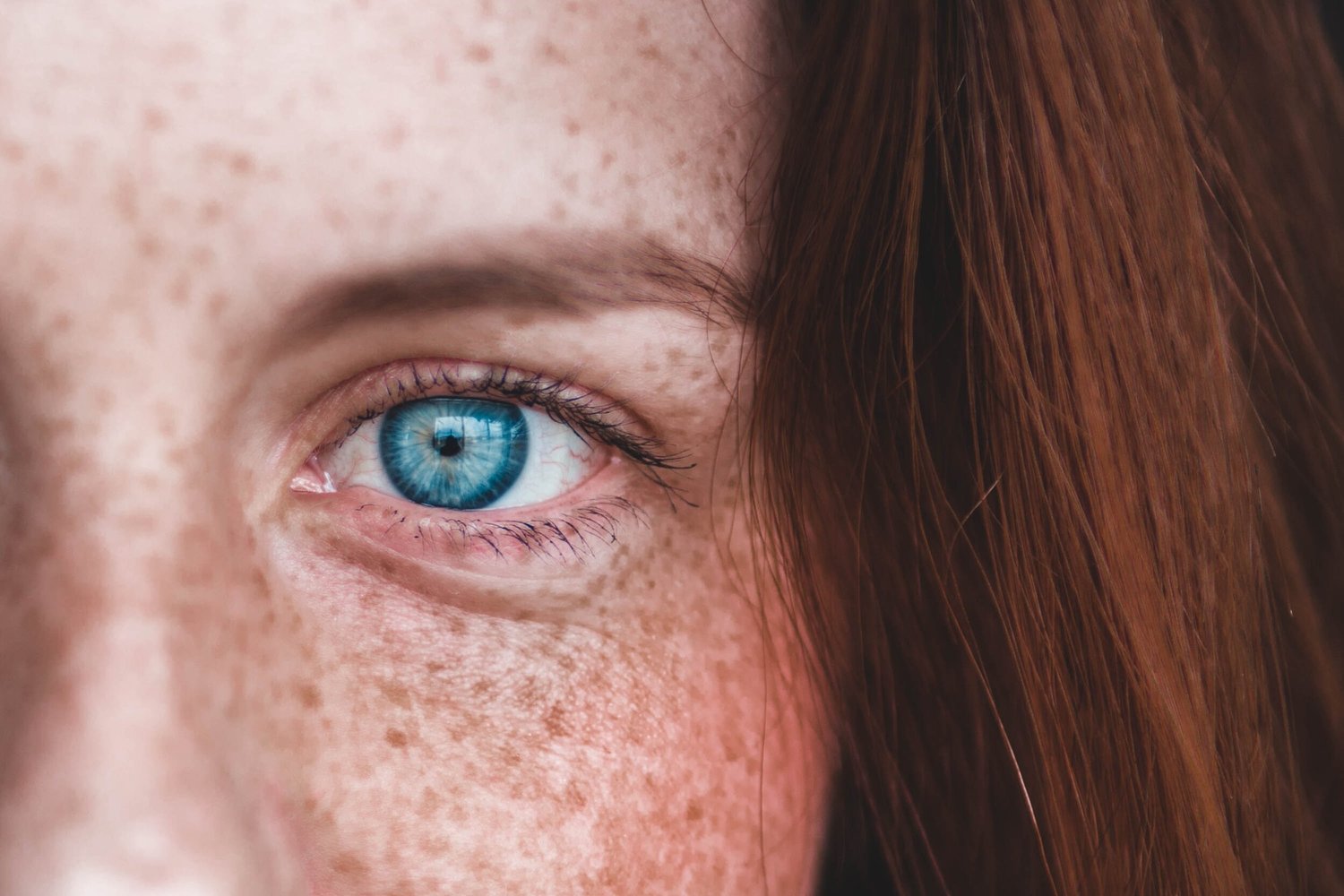
Pigmentation is the colour of your skin, made by cells called melanocytes. When some areas produce more pigment than others, you can see darker spots or patches. The most common causes are sun exposure over many years, hormones, and inflammation from acne, injury or other skin conditions.
Different types of pigmentation look similar but behave differently. Sun spots and freckles sit in the upper layers of the skin. Melasma is linked to hormones and heat, often appears on the cheeks, forehead and upper lip, and can come back or worsen with some treatments. Darker marks after acne or injury usually fade slowly on their own. Getting the diagnosis right matters, because it decides which options are suitable and which could make things worse.
Some spots that look like sun damage need a medical check first. Any new, changing or unusual spot should be assessed by a doctor before any cosmetic treatment, and your doctor may refer you to your GP or a dermatologist.
Your consultation
At your consultation, a practitioner will look closely at your skin and talk through your concerns and goals. You can expect:
- iA review of your medical history, medicines, skincare and sun exposure
- iiA close examination of your skin, including any spots that need further checking
- iiiAn explanation of the likely type of pigmentation and what’s causing it
- ivA tailored plan, which may combine in-clinic treatments with skincare and sun protection, including not having treatment
- vClear information on what each option involves, how many sessions may be needed, recovery time, risks and costs
- viTime to think it over before you decide
You’ll leave with a written plan.
Options we may discuss
Sun protection and skincare
Daily broad-spectrum sunscreen and a skincare routine suited to your skin. This is the foundation of every pigmentation plan, and for some people it’s all that’s needed. Some skincare options require a prescription and are only discussed after a doctor’s assessment.
Chemical peels
A solution applied to the skin removes the outer layers so they can renew. Light peels involve a few days of flaking.
Learn moreLaser treatments
Laser light targets pigment in the skin. Treated spots usually darken and flake away over one to two weeks.
Learn moreFractional laser resurfacing (Fraxel Repair)
For wider sun damage and uneven texture. Recovery is usually around 5 to 7 days, some people recover more quickly, and it is not suitable for everyone.
Learn moreYour practitioner will explain which, if any, may suit your skin type and the kind of pigmentation you have. Pigmentation can return, particularly with sun exposure, so ongoing sun protection is part of every plan.
Recovery and risks
Every option carries risks, and your practitioner will explain them in detail before you decide.
Recovery
Recovery depends on the option. After light peels, expect a few days of redness and flaking. After laser treatment for spots, treated areas usually darken and form fine crusts that flake off over one to two weeks. After fractional laser resurfacing, recovery is usually around 5 to 7 days of swelling, oozing and peeling, and some people recover more quickly. Redness can last several weeks. You’ll need to avoid sun exposure before and after treatment, and you may need more than one session.
Recovery varies from person to person.
Possible risks
- Redness, swelling and discomfort
- Blistering, crusting or, less commonly, burns
- Darker or lighter patches of skin, which are more likely in darker skin types and can be long-lasting
- Melasma becoming worse after some treatments
- Infection, or a flare of cold sores in people who get them
- Scarring, which is rare
- Pigmentation coming back over time
Your practitioner will explain the risks that apply to you, and how they’re reduced, at your consultation.
Who you’ll see
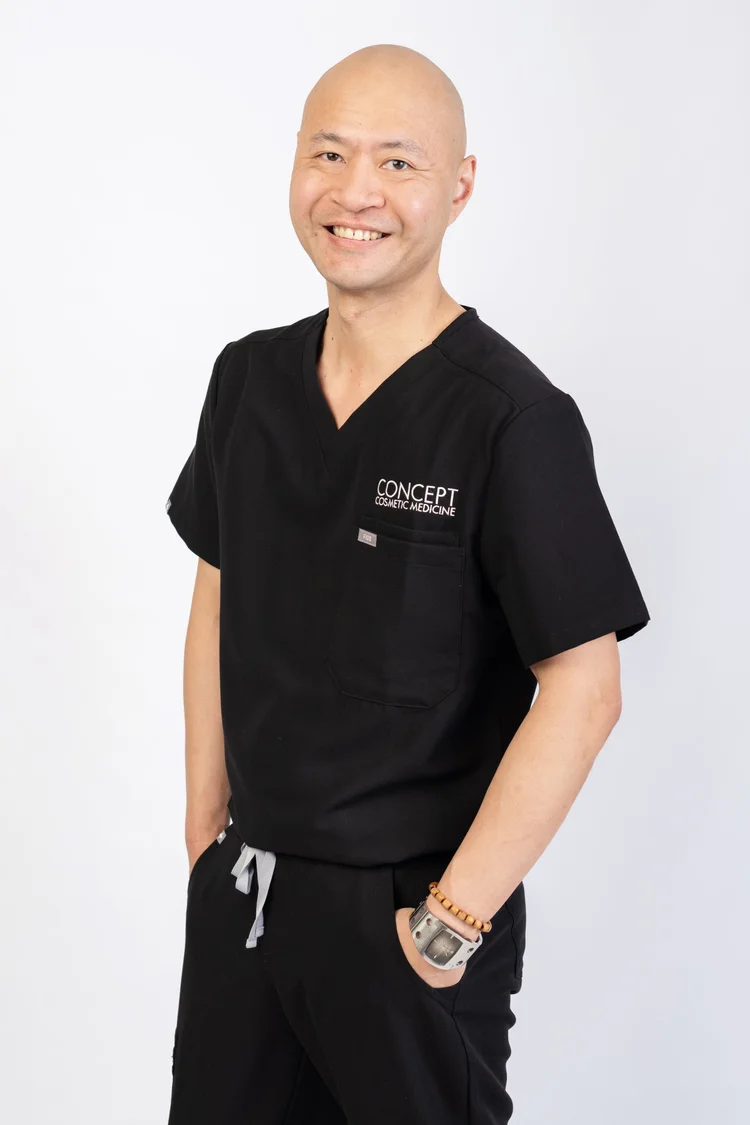
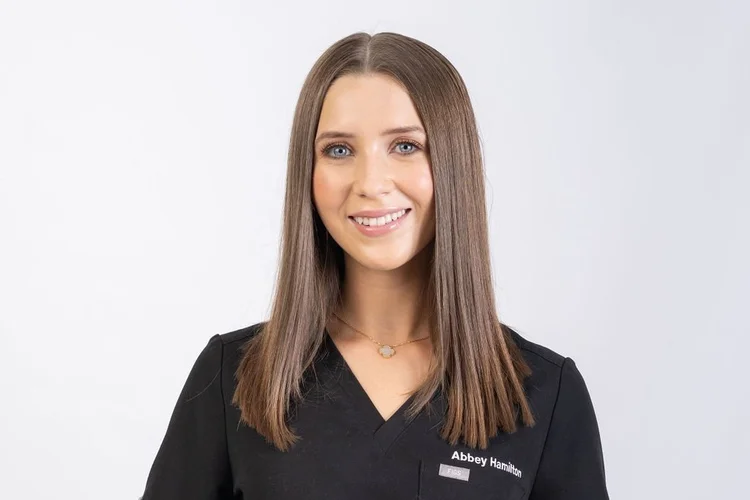
Our practitioners with a particular interest in skin and laser treatments.

Drummoyne and Bowral
Newcastle and Drummoyne

Drummoyne

Drummoyne and Bowral
Drummoyne
Your first consultation is with a practitioner, who will plan any treatment.
Doctor-led since 2002
More than 20 years of cosmetic medicine on Victoria Road, Drummoyne.
Three clinics
Drummoyne, Newcastle and Bowral.
Medical-grade technology
Including Fraxel Repair and Morpheus8, used by doctors and an experienced registered nurse.
Time with your doctor
Unhurried consultations and a written plan to take home.
Book a consultation
Every treatment at Concept Cosmetic Medicine starts with an unhurried, one-on-one consultation with an experienced practitioner. You’ll talk through your concerns and goals, and leave with a clear plan built around your skin, with recovery, risks and costs explained, so you can decide with confidence.
Important information. All procedures carry risks. Results vary from person to person and are not guaranteed. Before any treatment you’ll have a consultation with a registered practitioner, who will explain the expected benefits, recovery time, possible side effects and complications, costs, and alternatives, including not having treatment. Take time to consider your decision. You may wish to seek a second opinion.