
Managing rosacea
Rosacea is a common, long-term skin condition that causes flushing and redness on the face. It can’t be cured, but with the right care, many people find their skin settles and flare-ups become less frequent.
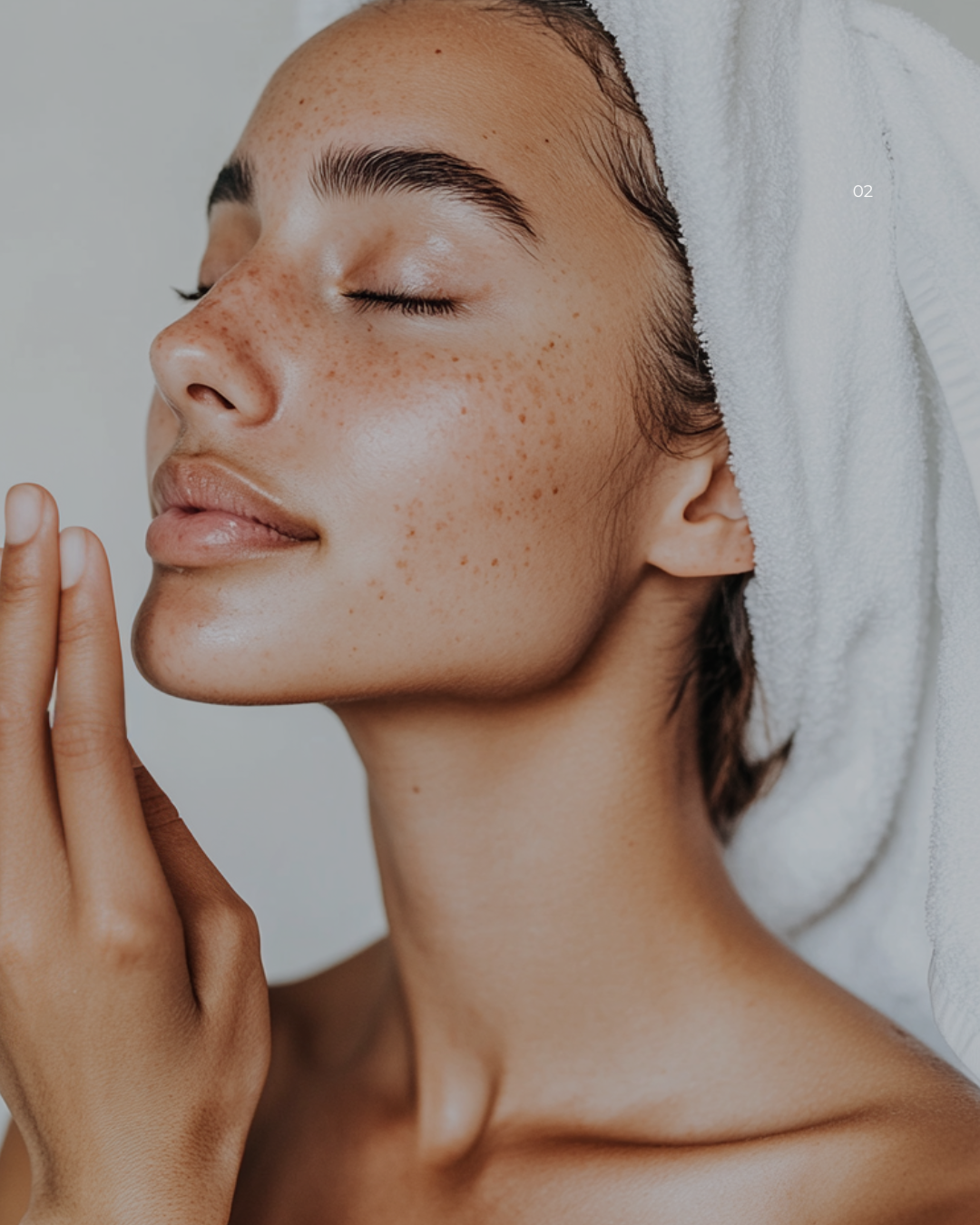
What rosacea looks like
Rosacea usually affects the cheeks, nose, forehead and chin. It can show up as easy flushing, redness that lingers, small visible blood vessels, sensitive or stinging skin, and sometimes red bumps that can look like acne. In some people, over time, the skin on the nose can thicken.
It’s most common in adults between 30 and 50, and in people with fair skin, but it can affect anyone. Other conditions can look similar, so if you think you have rosacea, see your GP or a dermatologist for a diagnosis.
Common triggers
Rosacea tends to flare in response to things that make the face flush. Triggers differ from person to person, but common ones include:
- Sun exposure and heat, including saunas, hot showers and hot weather
- Hot drinks and spicy food
- Alcohol, particularly red wine
- Stress and intense exercise
- Cold wind and big changes in temperature
- Skincare that strips or irritates the skin
A simple diary of what you ate, did and used before a flare can help you spot your own pattern.
Caring for skin with rosacea
Gentle, consistent care makes the biggest difference:
- Cleanse gently with a mild, fragrance-free cleanser and lukewarm water.
- Moisturise daily to support the skin barrier.
- Wear sunscreen every day. Choose a broad-spectrum SPF 50+. Many people with sensitive skin find mineral (zinc-based) sunscreens more comfortable.
- Avoid irritants such as alcohol-based toners, strong exfoliants, scrubs and heavy fragrance.
- Patch test new products on a small area first.
Treatment options
Your GP or a dermatologist can prescribe treatment for the bumps and inflammation of rosacea. For persistent redness and visible blood vessels, vascular laser treatment can help reduce redness in some people. It usually takes several sessions, has a few days of recovery, and carries risks such as bruising, blistering and pigment change. Redness can return over time.
When to see a doctor
See your GP or a dermatologist if your skin is red and sore, if bumps or eye irritation develop, or if you’re not sure it’s rosacea. Any spot that is new, changing or not healing should be checked.
This article is general information, not medical advice. All procedures carry risks.
Back to AdviceBook a consultation
Every treatment at Concept Cosmetic Medicine starts with an unhurried, one-on-one consultation with an experienced practitioner. You’ll talk through your concerns and goals, and leave with a clear plan built around your skin, with recovery, risks and costs explained, so you can decide with confidence.
Important information. All procedures carry risks. Results vary from person to person and are not guaranteed. Before any treatment you’ll have a consultation with a registered practitioner, who will explain the expected benefits, recovery time, possible side effects and complications, costs, and alternatives, including not having treatment. Take time to consider your decision. You may wish to seek a second opinion.